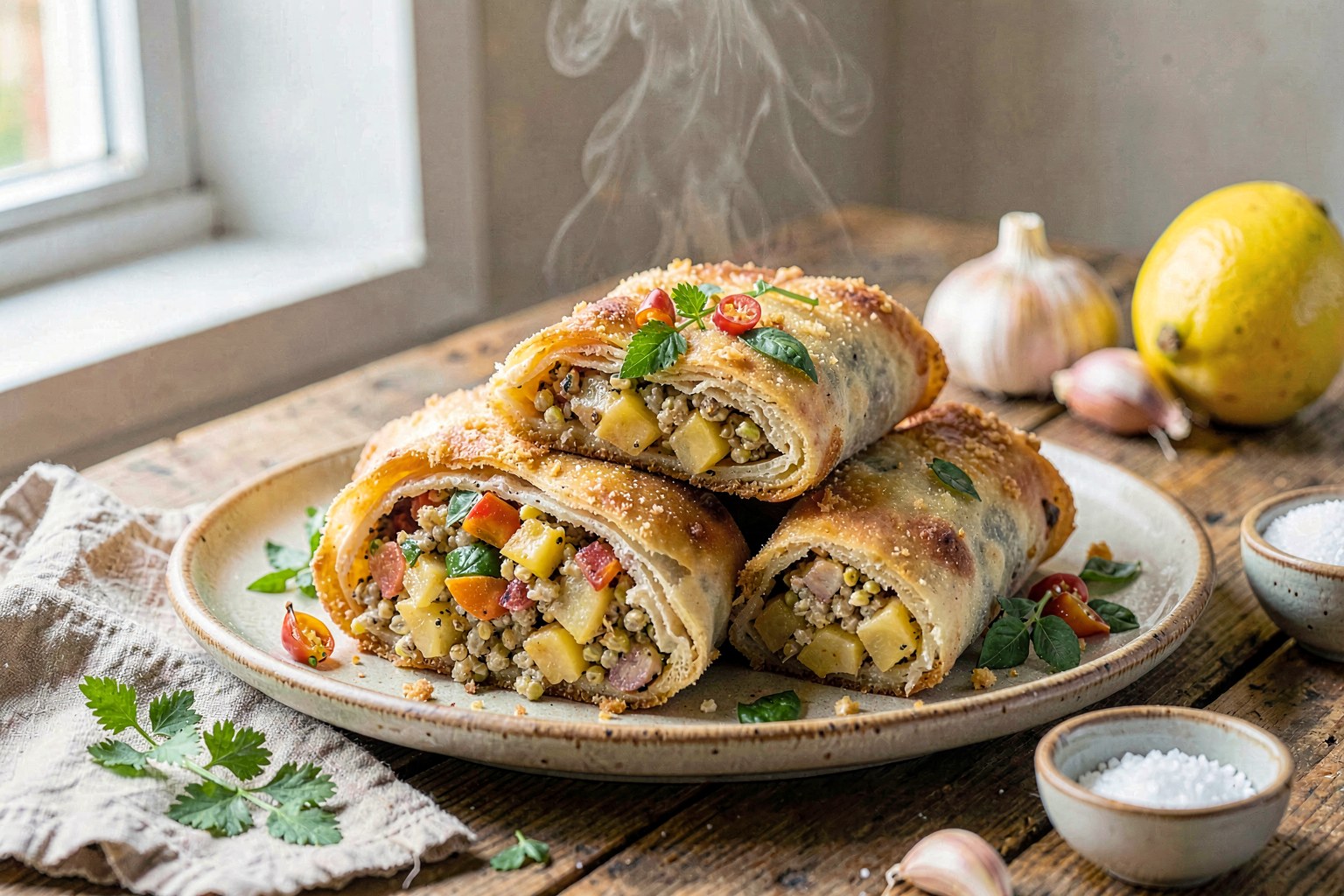
Baked Empanadas de Papa with Ají Panca & Grass-Fed Ghee Crust
These tender, golden turnovers feature a spiced potato and quinoa filling wrapped in a flaky, grass-fed ghee crust, all baked instead of fried. Served with a vibrant ají panca and EVOO emulsion, they deliver the deep, smoky comfort of the Andes without the inflammatory seed oils or refined sugars of the street-food version.
A little context
Rooted in the Andean tradition of 'empanadas de queso y papa', this version honors the smoky depth of ají panca while rejecting the deep-frying and white-wheat flour shortcuts common in modern adaptations. We have replaced the traditional lard or vegetable oil dough with a high-fat, grass-fed ghee alternative for flakiness and swapped refined sugar in the filling with the natural sweetness of caramelized onions and a touch of raw honey if absolutely necessary, though the onions usually suffice.
The longevity story
This recipe leverages the polyphenol-rich ají panca peppers and extra-virgin olive oil to combat oxidative stress, while the potatoes provide resistant starch when cooled, supporting gut microbiome diversity. The crust uses grass-fed ghee, which contains butyrate and CLA, avoiding the pro-inflammatory omega-6 fatty acids found in traditional vegetable oil doughs. Quinoa adds a complete protein and fiber profile, ensuring a balanced glycemic response compared to a pure potato filling.
Method
- 01
Prepare the dough
In a food processor, pulse the sprouted spelt flour and salt. Add the cold, cubed grass-fed ghee and pulse 8-10 times until the mixture resembles coarse crumbs. Drizzle in ice water 1 tablespoon at a time, pulsing just until the dough begins to clump. Do not overwork. Turn onto a surface, form into a disc, wrap in parchment, and chill for 30 minutes.
- 02
Caramelize the aromatics
While the dough chills, heat the 15ml (1 tbsp) of extra-virgin olive oil in a medium skillet over medium-low heat. Add the diced onions and a pinch of salt. Cook slowly for 10-12 minutes until soft and translucent, but not browned. Stir in the ají panca paste, cumin, oregano, and black pepper. Cook for 2 more minutes until fragrant.
- 03
Cook the potatoes
In a separate pot, boil the diced potatoes in salted water until just tender (about 8-10 minutes). They should hold their shape but yield to a fork. Drain well and toss immediately with the spiced onion mixture and the cooked quinoa. Let the filling cool completely to room temperature; this prevents the dough from becoming soggy.
- 04
Roll and fill
Preheat oven to 200°C (400°F). On a lightly floured surface, roll the chilled dough into a large rectangle about 3mm thick. Cut into 10cm (4-inch) circles using a bowl or cutter. Place 1 heaping tablespoon of the potato-quinoa mixture in the center of each circle. Top with a slice of hard-boiled egg.
- 05
Fold and seal
Fold the dough over the filling to create a half-moon shape. Press the edges firmly with a fork to seal, ensuring no filling leaks out. If the dough is too dry, wet your finger slightly to moisten the edge. Place on the parchment-lined baking sheet.
- 06
Bake
Brush the tops lightly with a little extra olive oil or an egg wash if desired for color. Bake for 25-30 minutes, rotating the pan halfway through, until the crust is golden brown and crisp. The ghee will create a flaky texture similar to a pie crust.
- 07
Make the ají panca emulsion
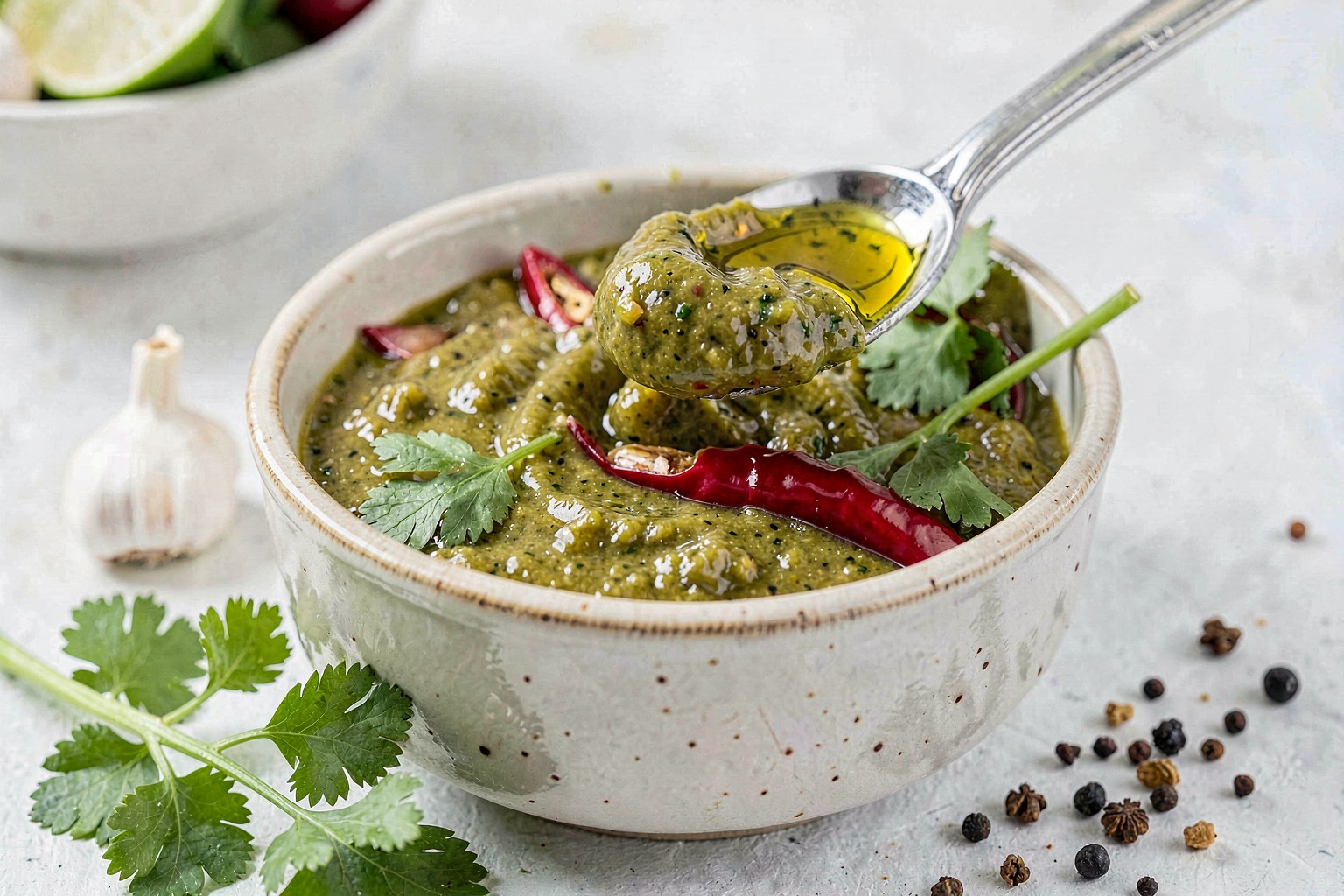
While the empanadas bake, whisk together the 60ml (¼ cup) extra-virgin olive oil, 30ml (2 tbsp) ají panca paste, and fresh lime juice in a small bowl until emulsified. The acid from the lime will cut through the richness of the ghee.
- 08
Serve
Let the empanadas rest for 5 minutes after baking to allow the filling to set. Serve warm, drizzled generously with the ají panca emulsion. Best eaten immediately while the crust is still crisp.
Nutrition facts
Per serving · 1 of 4- — Saturated
- 21 g
- — Polyunsaturated
- 5 g
- Carbohydrates
- 51 g
- — Fiber
- 7 g
- — Sugars
- 8 g
- Cholesterol
- 86 mg
- Sodium
- 678 mg
- Potassium
- 775 mg
Estimated from USDA FoodData Central for matched ingredients (75% ingredient coverage). Values vary with brand, preparation, and exact measurements.
Pro tips
- ✦Source ají panca paste carefully: many commercial brands add sugar or seed oils; look for organic versions with only peppers, salt, and vinegar.
- ✦Keep your ghee ice-cold; if it starts to soften while rolling, pop the tray back in the fridge for 10 minutes to maintain that flaky, layered texture.
- ✦For the potatoes, Yukon Golds are ideal because their waxy texture holds up to the filling without turning into mush.
- ✦To test freshness, buy ají panca paste in a glass jar rather than a plastic tube, as plastic can leach chemicals into the oil-based paste over time.
Shop this recipe
As an Amazon Associate we earn from qualifying purchases.
Substitutions
- sprouted spelt flour → all-purpose organic flour or almond flour (for grain-free) (almond flour will require more binding agent and different rolling technique)
- grass-fed ghee → organic coconut oil (solidified) (will impart a slight coconut flavor but maintains the seed-oil-free requirement)
- hard-boiled eggs → avocado slices or omit for vegan (avocado adds creaminess and healthy monounsaturated fats)
Storage
Cool completely and store in a single layer in an airtight glass container in the fridge for up to 3 days. Reheat in a toaster oven or air fryer at 180°C (350°F) for 5-7 minutes to restore crispness. Do not microwave, as it will make the dough chewy. Freezing is possible for up to 2 months; bake from frozen, adding 10 minutes to the cooking time.
What to serve with it
- Green tea (sencha or matcha) to aid digestion and provide catechins
- Sparkling water with fresh lime and mint
- A glass of dry red wine like Cabernet Sauvignon or Malbec, rich in resveratrol
- A side of fresh arugula salad with lemon vinaigrette to cut the richness
FAQ
Can I fry these instead of baking?+
Traditional recipes are fried, but we bake them to avoid oxidized seed oils. If you must fry, use grass-fed tallow or clarified ghee and keep the oil temperature at 175°C (350°F) to prevent burning the fats.
Is this gluten-free?+
Not with spelt or wheat flour. To make it gluten-free, substitute the flour with a high-quality almond flour blend or a cassava flour blend, adjusting the water content as needed.
Why use quinoa in the filling?+
Quinoa adds a complete protein and fiber, making the dish more satiating and lowering the glycemic load compared to a pure potato filling, while honoring the Andean origin of the region.
Share this recipe
Notes from the community
Sign in to leave a note.
No notes yet — be the first.
You might also like