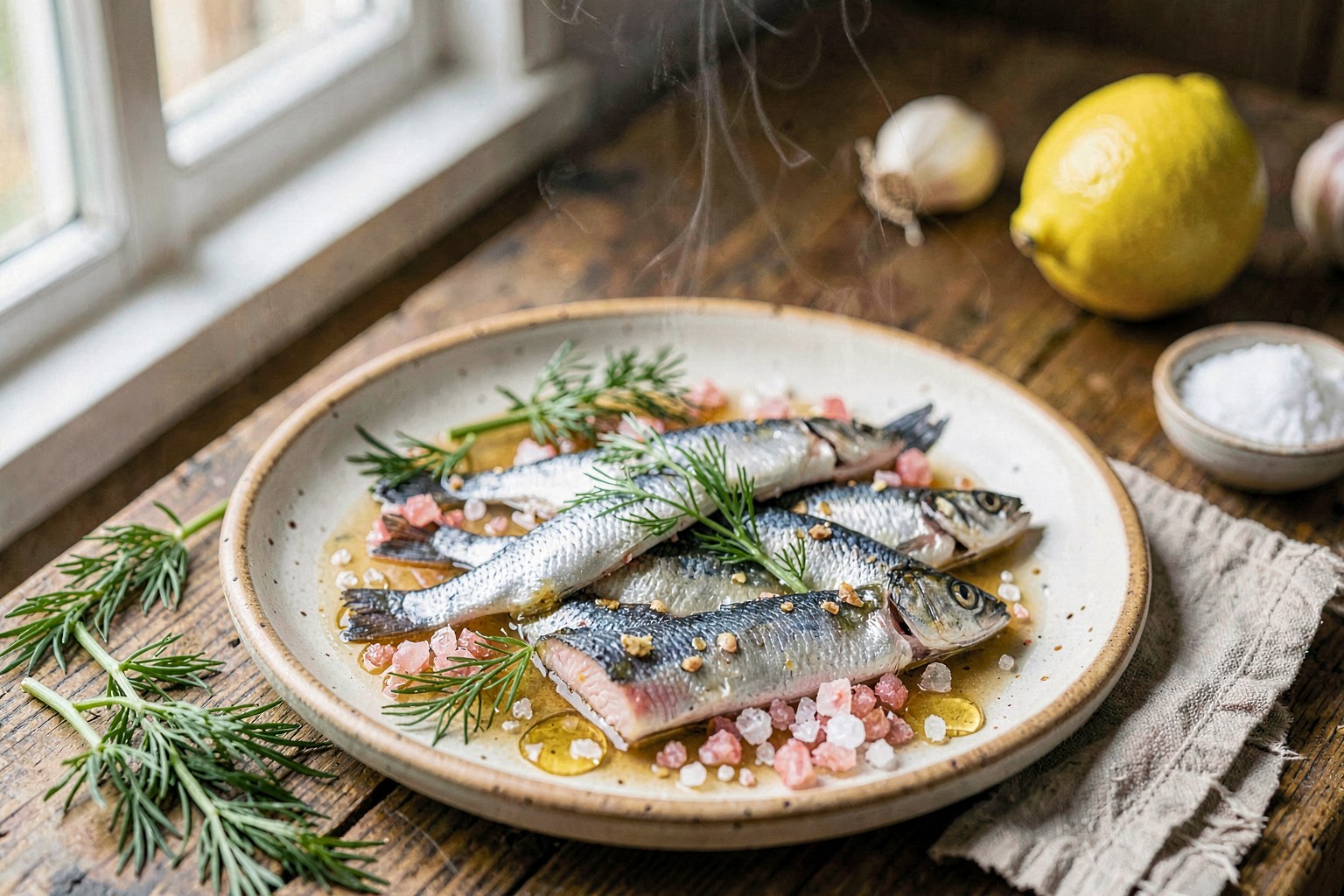
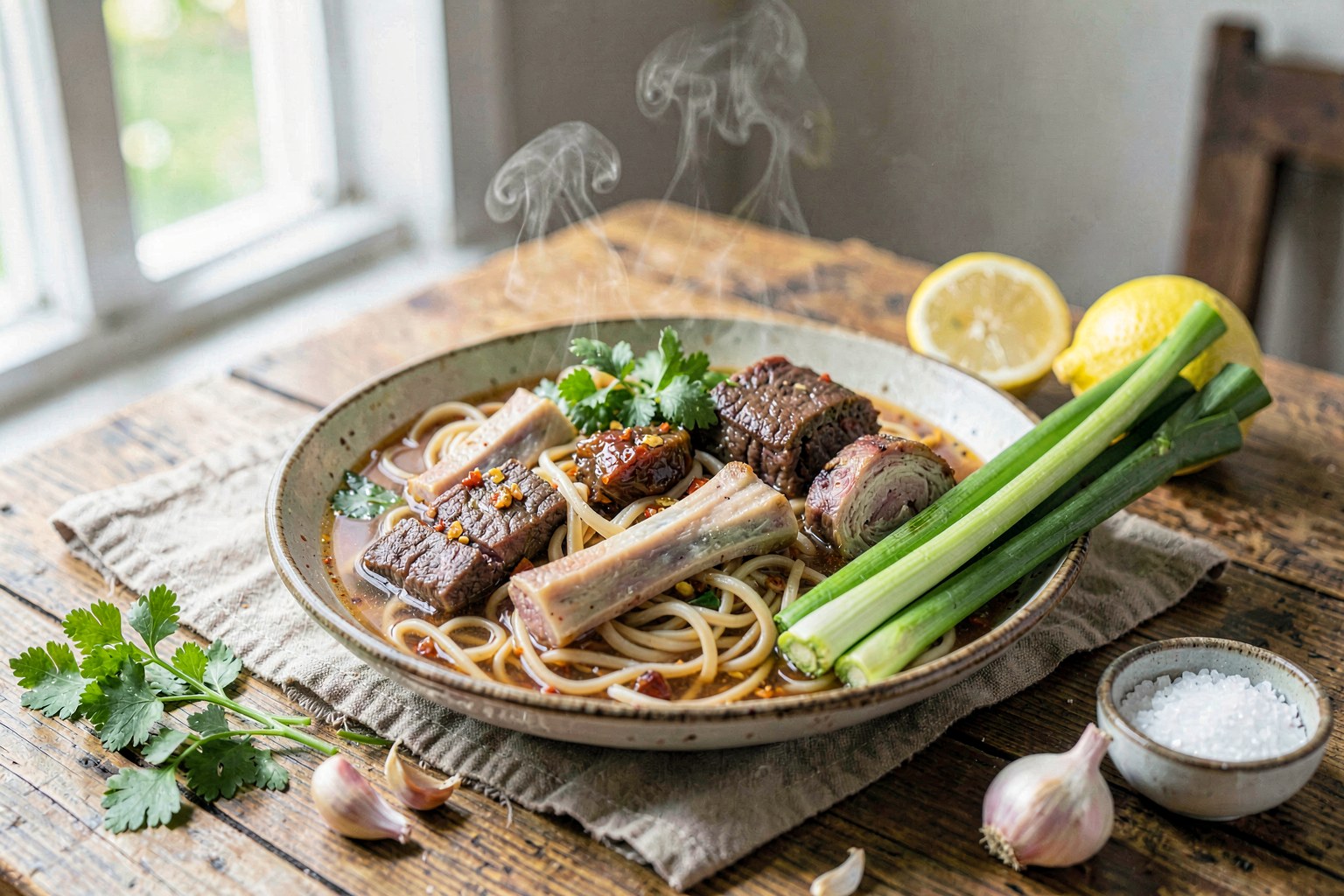
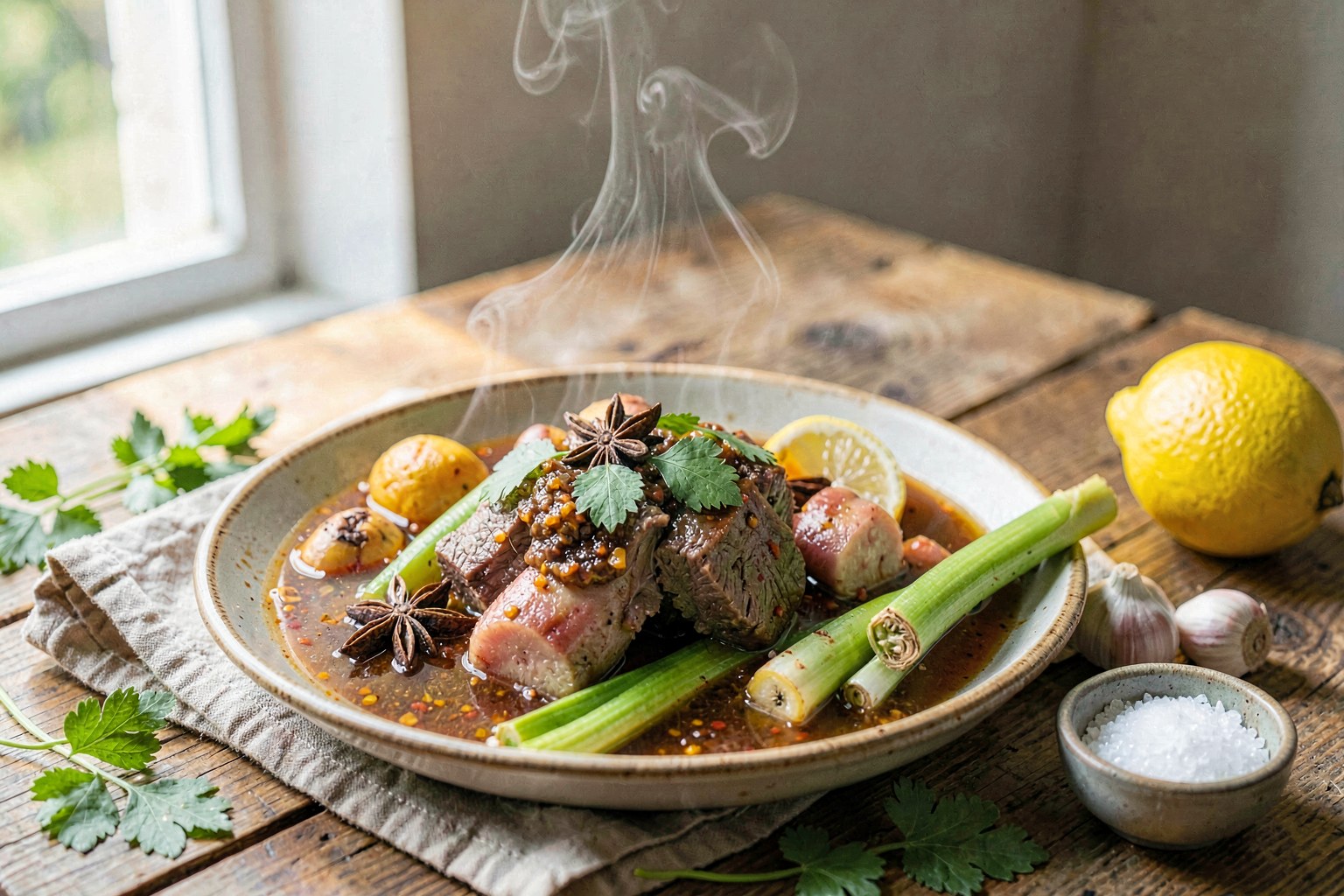
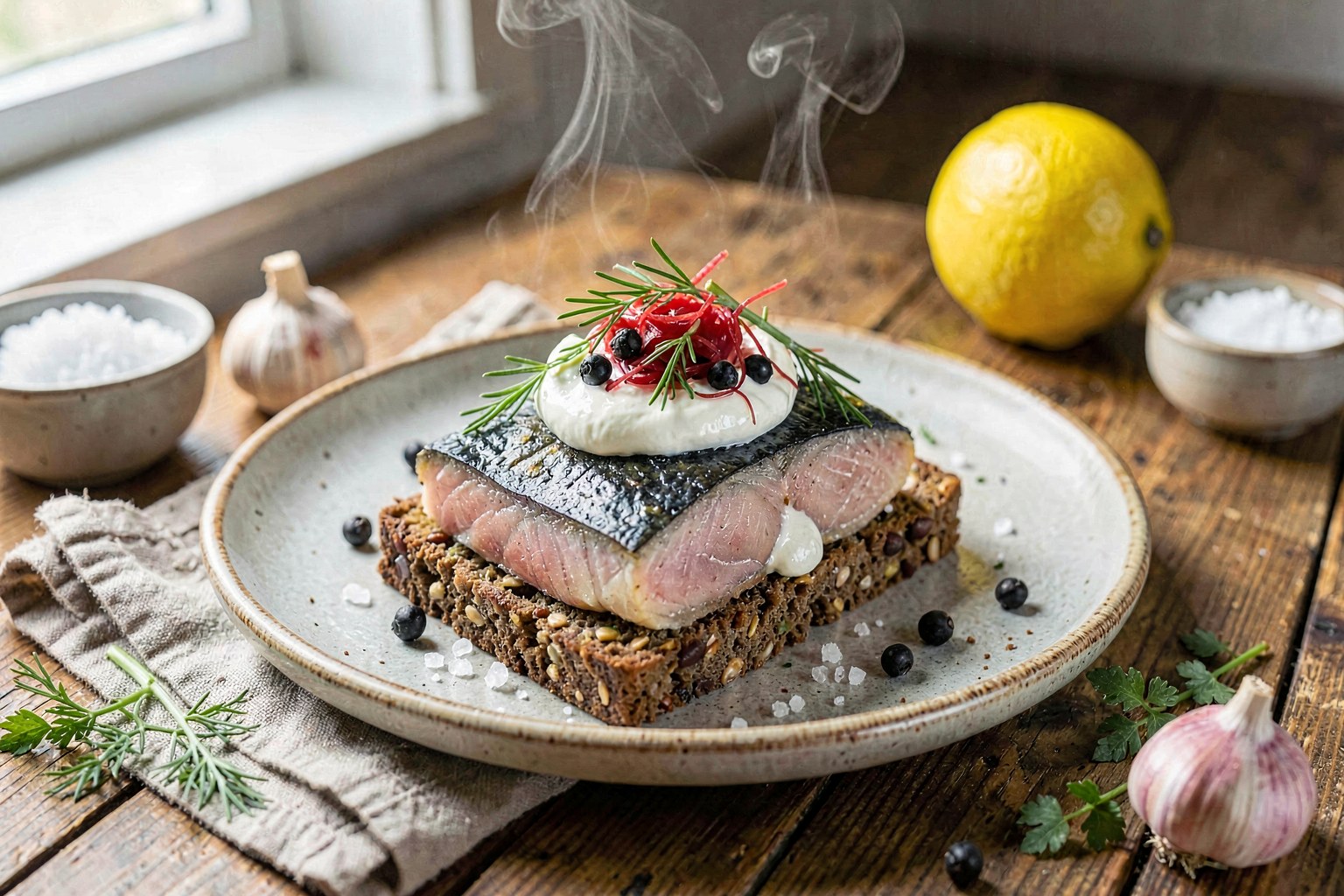
Dill-Cured Wild Arctic Char on Rye Crispbread (Nordic Clean Tradition)
This Nordic-inspired lunch features wild-caught Arctic char cured in salt and fresh dill, served on dense sprouted rye crispbread. Topped with cultured creme fraiche, sharp red onion, and a drizzle of polyphenol-rich extra virgin olive oil, it delivers a savory, umami-rich profile without refined sugar or seed oils.
A little context
This dish honors the Scandinavian tradition of gravlax but strips away the traditional granulated sugar and replaces processed crackers with whole-grain sprouted rye. By using a pure salt cure and wild-caught fish, we respect the original preservation method while aligning with modern longevity standards regarding insulin sensitivity and fatty acid quality.
The longevity story
Wild Arctic char provides high-quality omega-3 fatty acids (EPA and DHA) essential for brain health and inflammation reduction. The fresh dill and extra virgin olive oil contribute polyphenols that support oxidative stress management, while the sprouted rye offers fiber for stable blood sugar. Fermented creme fraiche introduces beneficial probiotics for gut microbiome diversity, and the absence of refined sugar prevents insulin spikes.
Method
- 01
Prepare the fish
Pat the Arctic char fillet completely dry with paper towels. Ensure all pin bones are removed using tweezers.
- 02
Mix the cure
In a small bowl, combine the sea salt, crushed peppercorns, and chopped fresh dill.
- 03
Apply the cure
Spread half the cure mixture onto a large sheet of parchment paper. Place the fish skin-side down and cover with the remaining cure, pressing gently.
- 04
Wrap and weight
Wrap the fish tightly in the parchment paper, then wrap again in foil. Place on a plate, top with a heavy skillet or can, and refrigerate.
- 05
Cure the fish
Refrigerate for 24 to 48 hours. Turn the package once halfway through the curing process.
- 06
Slice and serve
Remove the fish, brush off excess cure, and slice thinly against the grain. Serve on crispbread with creme fraiche, onion, and a drizzle of olive oil.
Nutrition facts
Per serving · 1 of 4- — Saturated
- 4 g
- — Polyunsaturated
- 12 g
- Carbohydrates
- 19 g
- — Fiber
- 9 g
- — Sugars
- 2 g
- Cholesterol
- 0 mg
- Sodium
- 3526 mg
- Potassium
- 1103 mg
Estimated from USDA FoodData Central for matched ingredients (78% ingredient coverage). Values vary with brand, preparation, and exact measurements.
Pro tips
- ✦Source wild Arctic char from reputable suppliers to ensure low mercury and high omega-3s.
- ✦Check crispbread labels carefully; many contain sunflower or canola oil which violate Blueprint standards.
- ✦Use a sharp knife to slice the cured fish for clean, translucent edges.
- ✦If you prefer a sweeter cure, swap the salt ratio slightly with 1 tsp date syrup, but the salt-only version is cleaner.
Substitutions
- wild Arctic char → wild-caught salmon or rainbow trout (same fat profile, similar sear)
- creme fraiche → full-fat Greek yogurt or sour cream (ensure no added thickeners or sugar)
Storage
fridge 3 days in a glass container; freezes well portioned up to 2 months
What to serve with it
- green tea
- sparkling water with lemon
- dry red wine
FAQ
Can I use farmed salmon?+
You can but the omega-3 profile is weaker and the feed is typically corn-based. Wild is the point.
How do I know if the fish is safe to eat raw?+
Ensure it is labeled sushi-grade or frozen at -20°C for 7 days to kill parasites before curing.
Share this recipe
Notes from the community
Sign in to leave a note.
No notes yet — be the first.
You might also like